From barley to beer: how CEB methods secure every step!
The CEB 185 method, dedicated to assessing the unintended effects of plant protection products on the processing and quality of malt and beer, has recently been revised.
A group of experts, with the contribution of Staphyt, was brought together to update this method and strengthen evaluation approaches.
Objective of the CEB 185 method
To assess the impact of plant protection products across the entire technological chain:
– Barley quality (germination capacity, protein content, etc.)
– Malt quality
– Proper fermentation performance
– Final beer characteristics (taste, foam, stability, etc.)
A quick journey from barley to beer
Malting
Once harvested, barley is first steeped to trigger germination.
Over several days, enzymes develop and begin to “prepare” the grain by breaking down its reserves.
Germination is then stopped by drying (kilning), resulting in malt, a key ingredient in brewing.
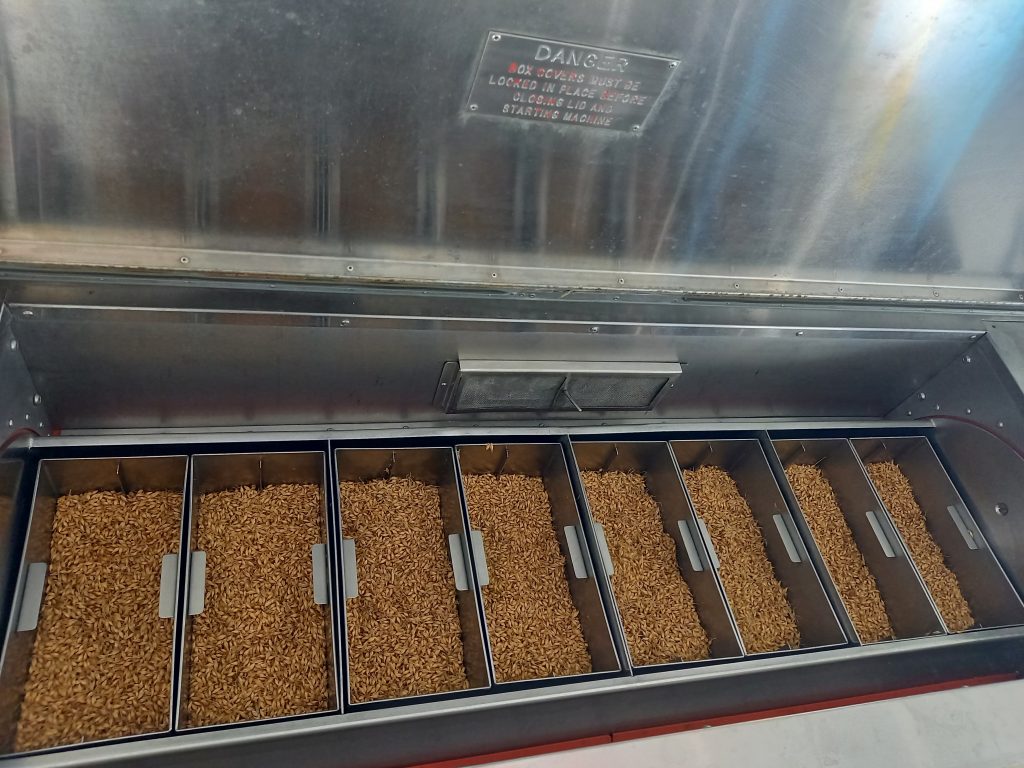
Malting process
Brewing
The malt is milled and mixed with hot water (mashing).
The enzymes activated during malting convert starch into fermentable sugars.
The mixture is then filtered to obtain a sweet liquid called wort, which is boiled with the addition of hops.
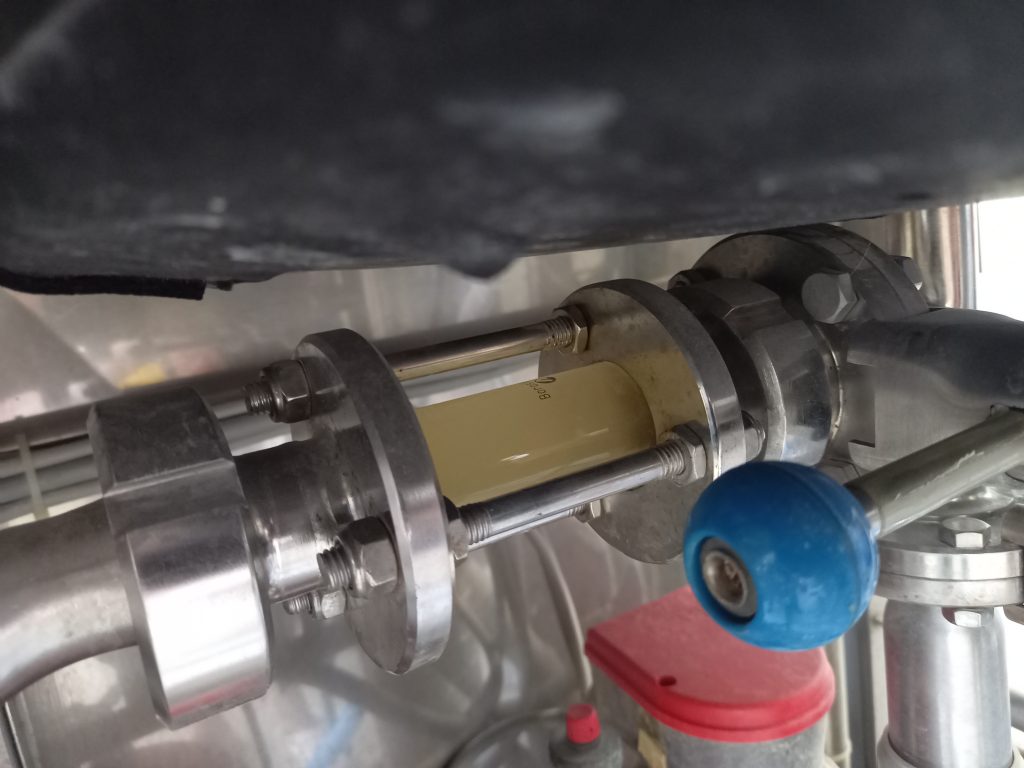
Brewing process
Fermentation
After cooling, yeast is added.
It consumes the sugars in the wort to produce alcohol and CO₂, as well as a wide range of aromatic compounds that define the beer’s character.
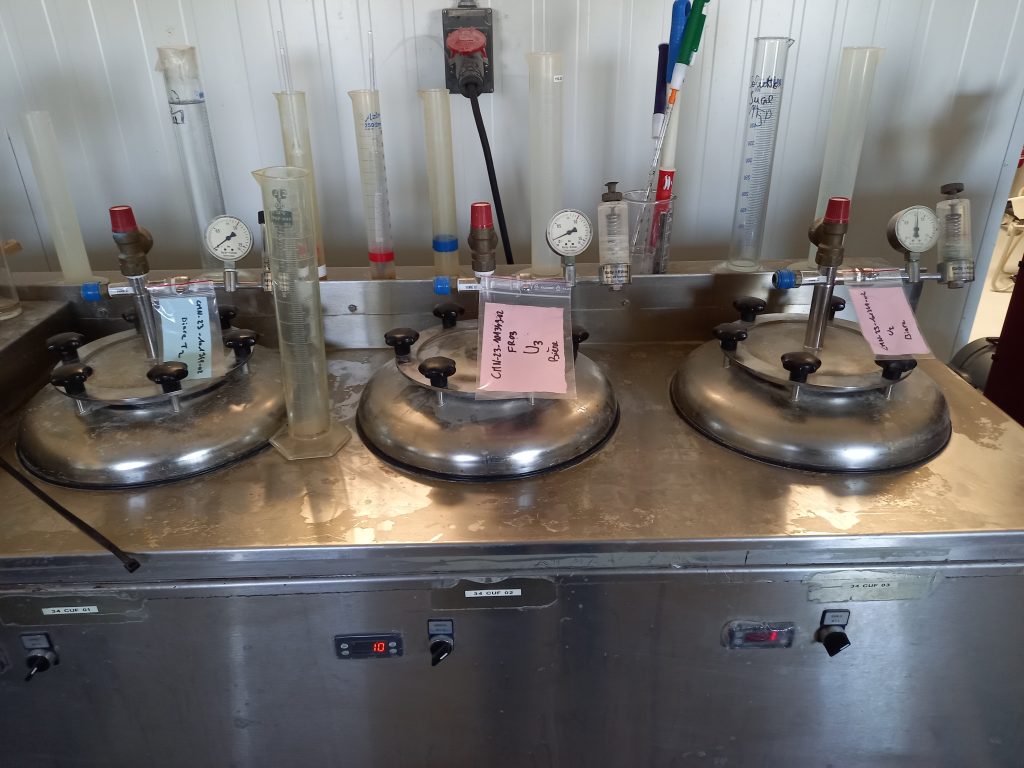
Fermentation Tank
Beer
After fermentation, the beer is matured, filtered, and sometimes refermented.
The result: a stable, well-balanced product with its own characteristics (aroma, bitterness, foam), ready to be enjoyed.
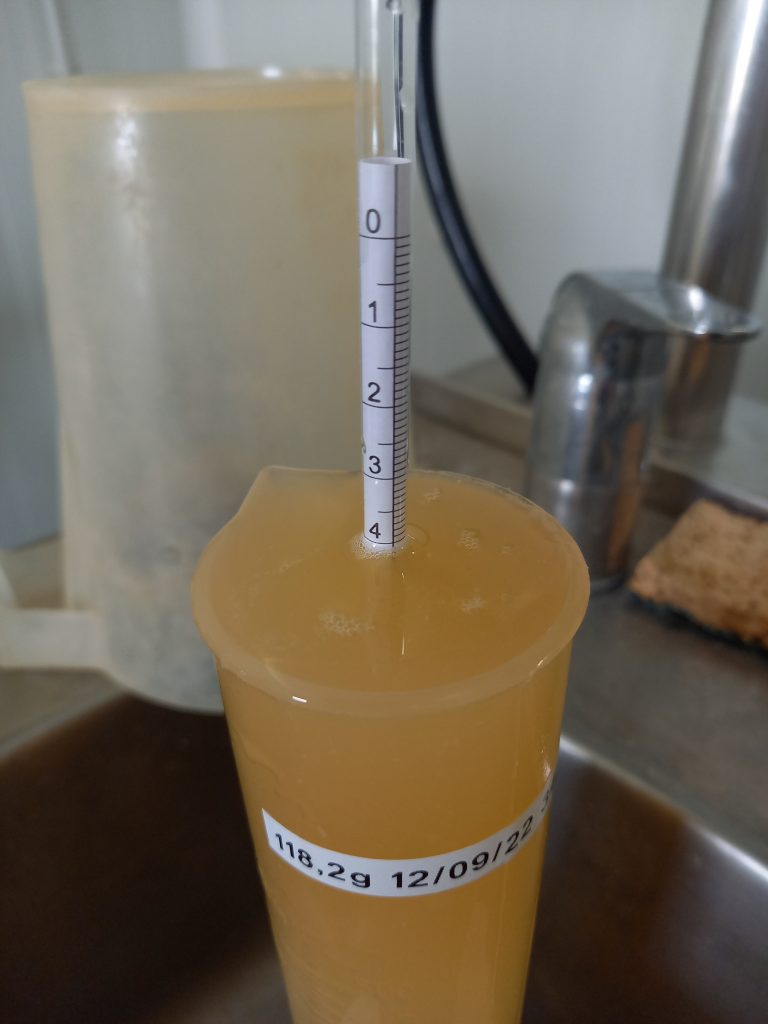
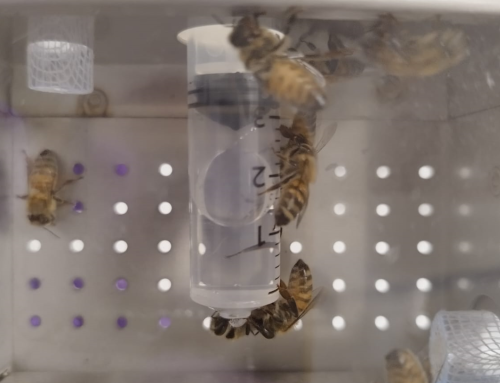
Density measurement
Key challenge: ensuring that at every step, no unintended effects compromise the quality of the final product.
Staphyt is proud to have contributed to this working group, alongside industry stakeholders, to advance methodologies and meet increasing quality and safety requirements.
Pesticide Residues & Cereal Processing: A Key Challenge for Quality
Beyond regulatory compliance, the issue of pesticide residues in cereals today raises a major challenge: their real impact on processing and finished product quality.
At Staphyt, we support industry stakeholders in better understanding these unintended effects—often invisible during standard analysis, but decisive during processing.
From Grain to Bread: An Integrated Approach
To objectively measure these impacts, we rely on recognized protocols such as the CEB 218 / EPPO method, which allows us to replicate a standardized bread-making process and evaluate:
- Bread volume and development
- Dough stability and handling
- Crumb structure
- Fermentation performance
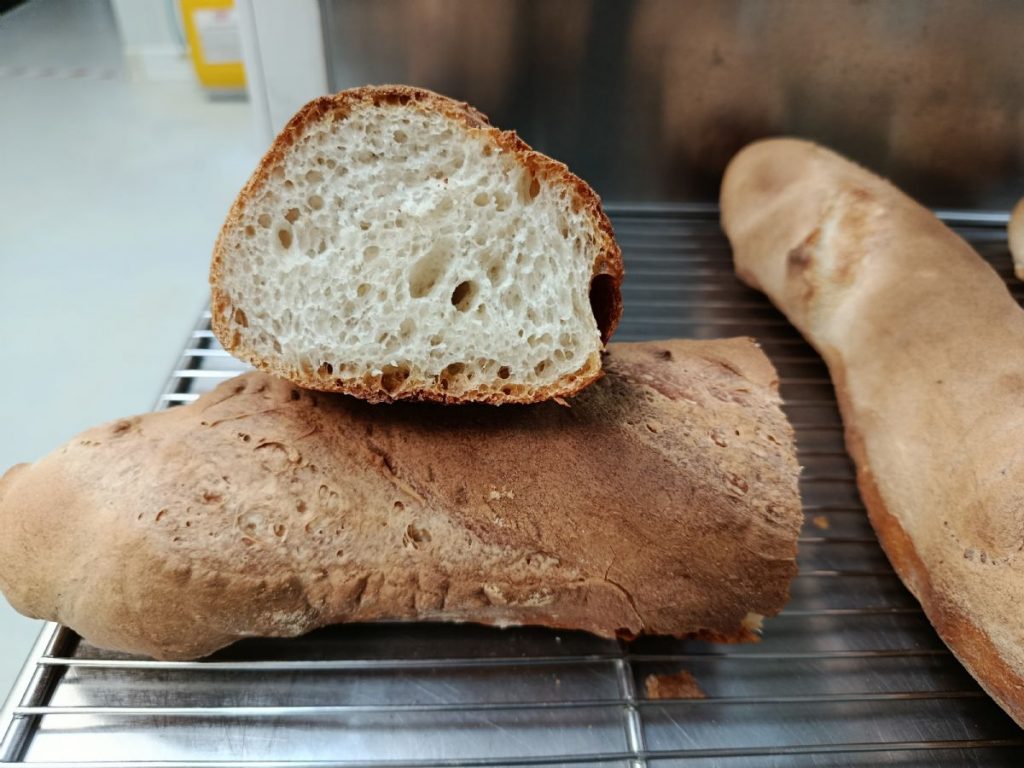
Bread
This approach reveals concrete technological discrepancies directly linked to upstream agricultural practices.
Subtle but Measurable Effects
Our research highlights that certain residues can influence:
- Enzymatic activity in flour
- Fermentation kinetics
- Interactions with microflora
Multi-Cereal Expertise
Beyond wheat and bread-making, Staphyt conducts studies on various matrices and transformation processes:
- Barley: Malting quality and processing
- Maize: Oil processing
- Rice: Polishing, cooking, and fermentation (sake) processes

Rice
Expertise Serving the Industry
By combining multi-residue analysis, processing trials, and technological evaluation, Staphyt supports plant protection players in the registration of their products. Thanks to our global “from field to finished product” vision, we secure the quality and performance of your solutions.
Contact us! We would be pleased to discuss your residues projects: contact@staphyt.com