🐝 French Mention Abeille. Another specific headache that is not getting close to being better soon. 🤯
As a pesticide / biocontrol industry, you have the habit of assessing the risk of pollinators through the usual bees studies. French authorities have always been more targeted to pollinators conservation. Thus, when a product is expected to be used in attractive crops during flowering, additional data is expected in France if the risk assessment goes beyond Tier 1. Most of you are familiar with CEB 230 (tunnel tests).
⚠️ From September, since the OECD 254 guideline on Osmia sp was published 1 year ago (25 June 2025), this new test will be requested by ANSES in the frame of the risk assessment for pollinators and applications on attractive crops during flowering that may result in a “Spe8 – application pendant la floraison” restriction.
As you may have seen also (see our post from last week and full article on the website), a new OECD test guideline (OECD 255) has been published for bumble bees. Be prepared to have this additional data expected by the authorities in the near future.
Thanks to the combination of field, laboratory and regulatory services, at Staphyt we can help you build your “mention abeille” request from A to Z in-house:
🧪 Our lab team is able to conduct several Osmia bicornis tests per year.
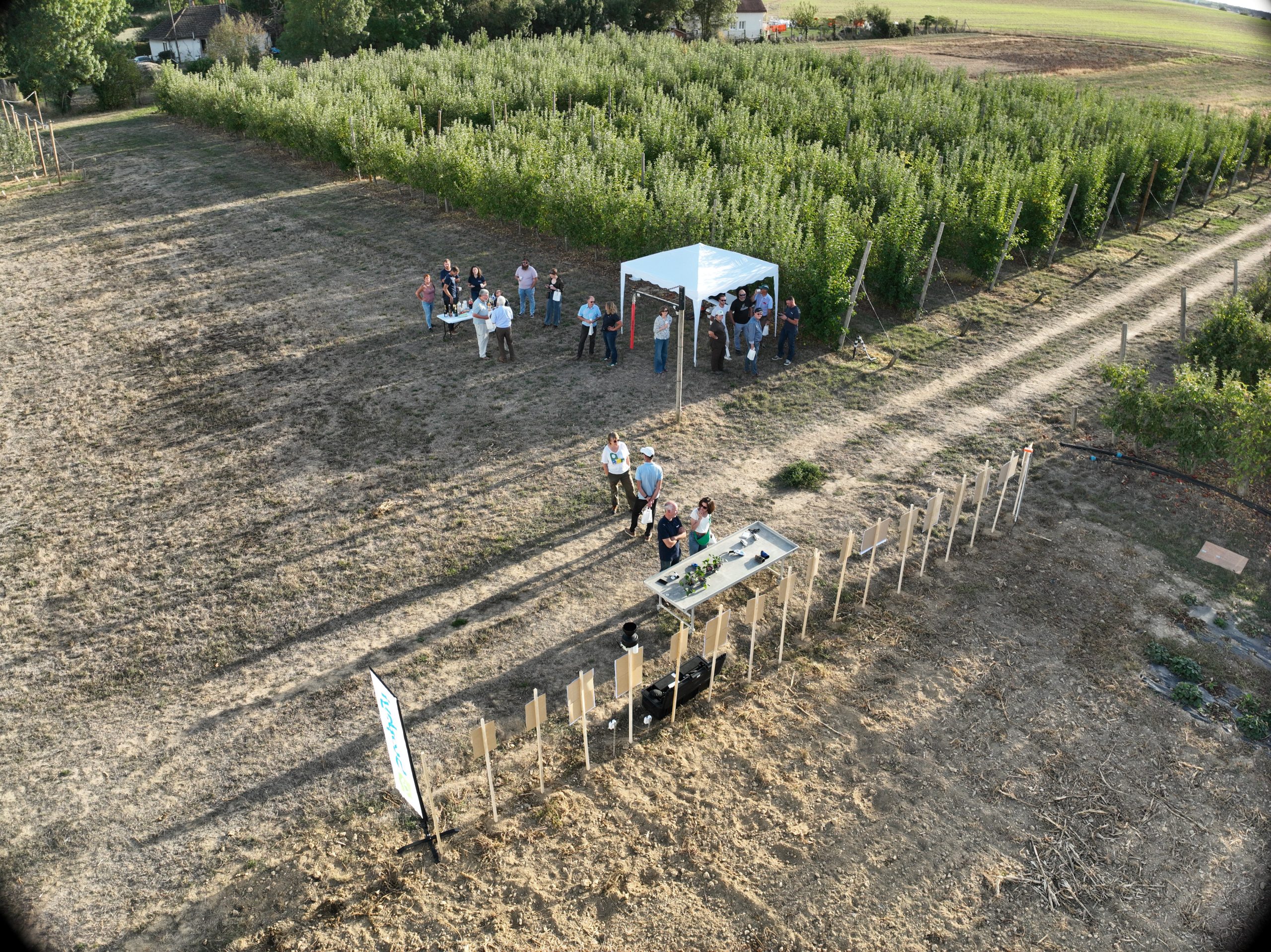
🚜 Our field team can provide CEB 230 tests in different countries in Europe.
📑 Our regulatory team is used to prepare pollinator risk assessments and submit label extensions to ANSES, among other European competent authorities.
📅 In terms of timeline, we advise you to reach out to us by November to secure your slot for your OECD 254. This test is currently highly demanded.
As you can attest during this summer, global climate change is impacting us. We advise to run the semifield studies (CEB 230) as early as possible in the spring to avoid extreme temperatures of mid-summer. 🌡️
Contact us at: contact@staphyt.com