OECD 245 Honey Bee (Apis mellifera) Chronic oral toxicity test (10-day feeding)
Pollinators like honey bees face prolonged exposure to plant protection products (PPP) and chemicals, whether through foraging on contaminated areas or consuming stored food within the hive.
To assess these long-term potential risks, a 10-day laboratory chronic toxicity study is essential. Positioned as the critical next step after acute toxicity tests (OECD 213/214), this study exposes young adult bees to treated sucrose solution to evaluate chronic impacts.
The test is designed for the determination of the following endpoints:
🔹 LC50 (median Lethal Concentration) and the LDD50 (median Lethal Dietary Dose) values after 10 days of exposure.
🔹 NOEC (No Observed Effect Concentration) and NOEDD (No Observed Effect Dietary Dose).
🔹 Sublethal effects : behavioural abnormalities (recorded daily alongside mortality assessments).
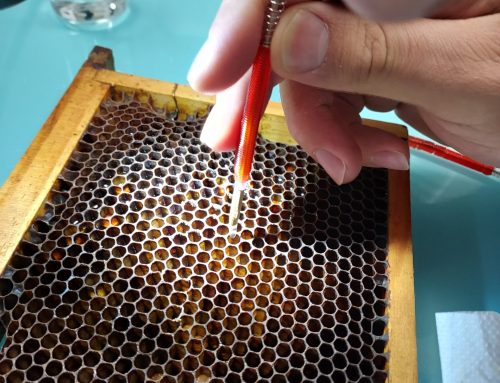
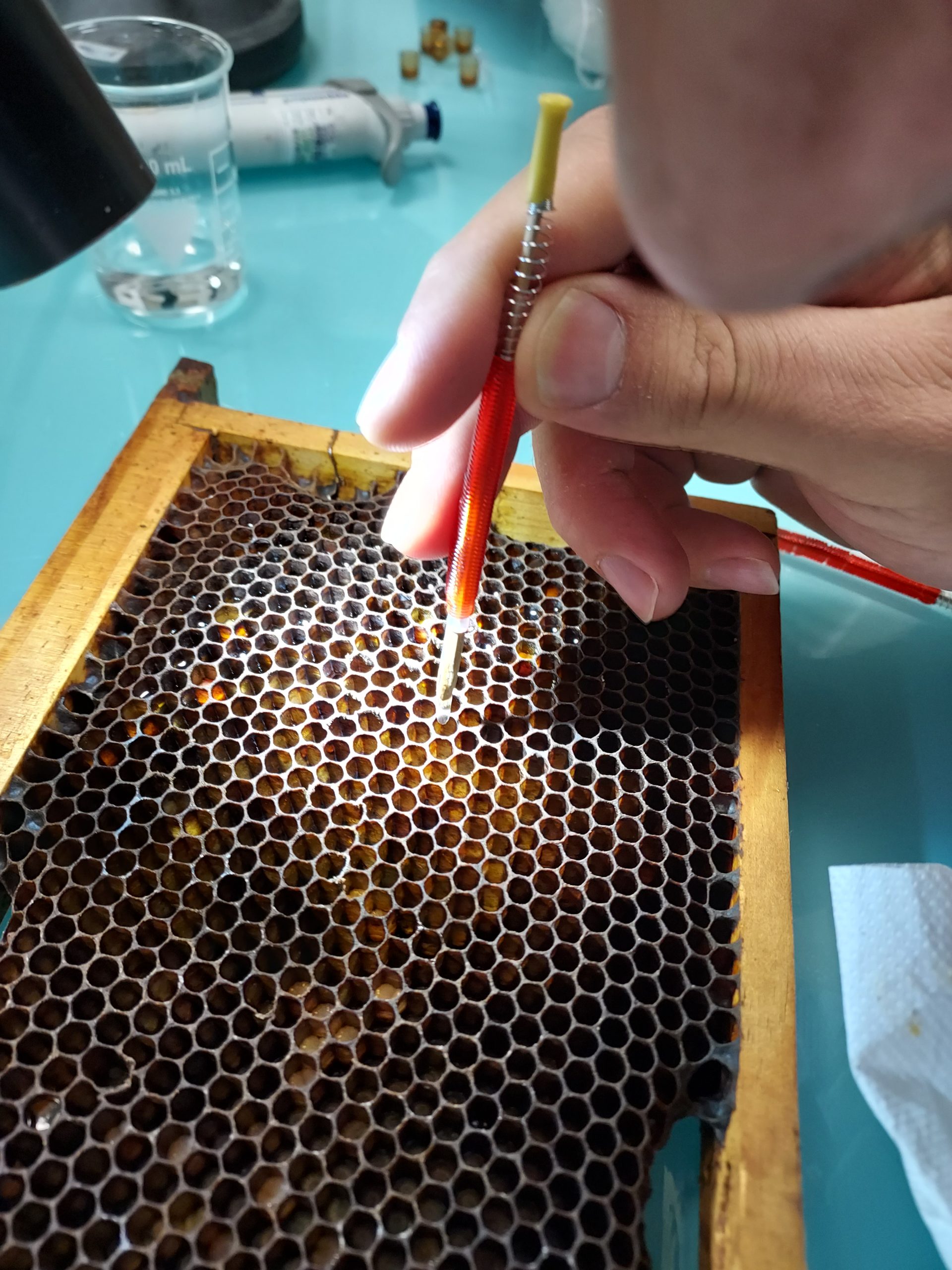
📅 Thank to our in-house apiary, we benefit from a continuous and plentiful supply of organisms (from March to October), ensuring reliable timelines and robust data for your regulatory dossiers. Slots for OECD 245 testing fill up quickly. Contact our team today to secure your study schedule !
Contact our team now: Giampiero Flaminio | Celia Bastiani | Lindsay Knight | Alexandre BAYLET | Aymeric Bellemain | Florence DELVAL | Grégory BOILEAU
Next week we will talk about : OECDs 213/14 Honey Bee (Apis mellifera), Acute Toxicity Tests and OECDs 246/247 Bumblebee (Bombus terrestris), Acute Toxicity Tests