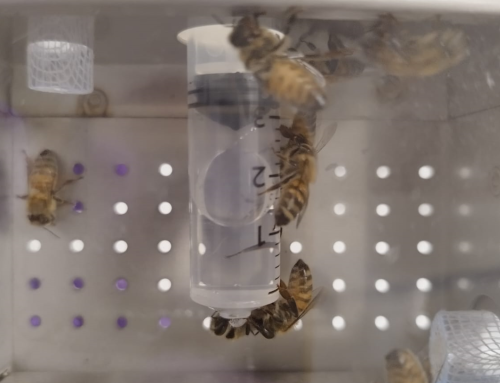
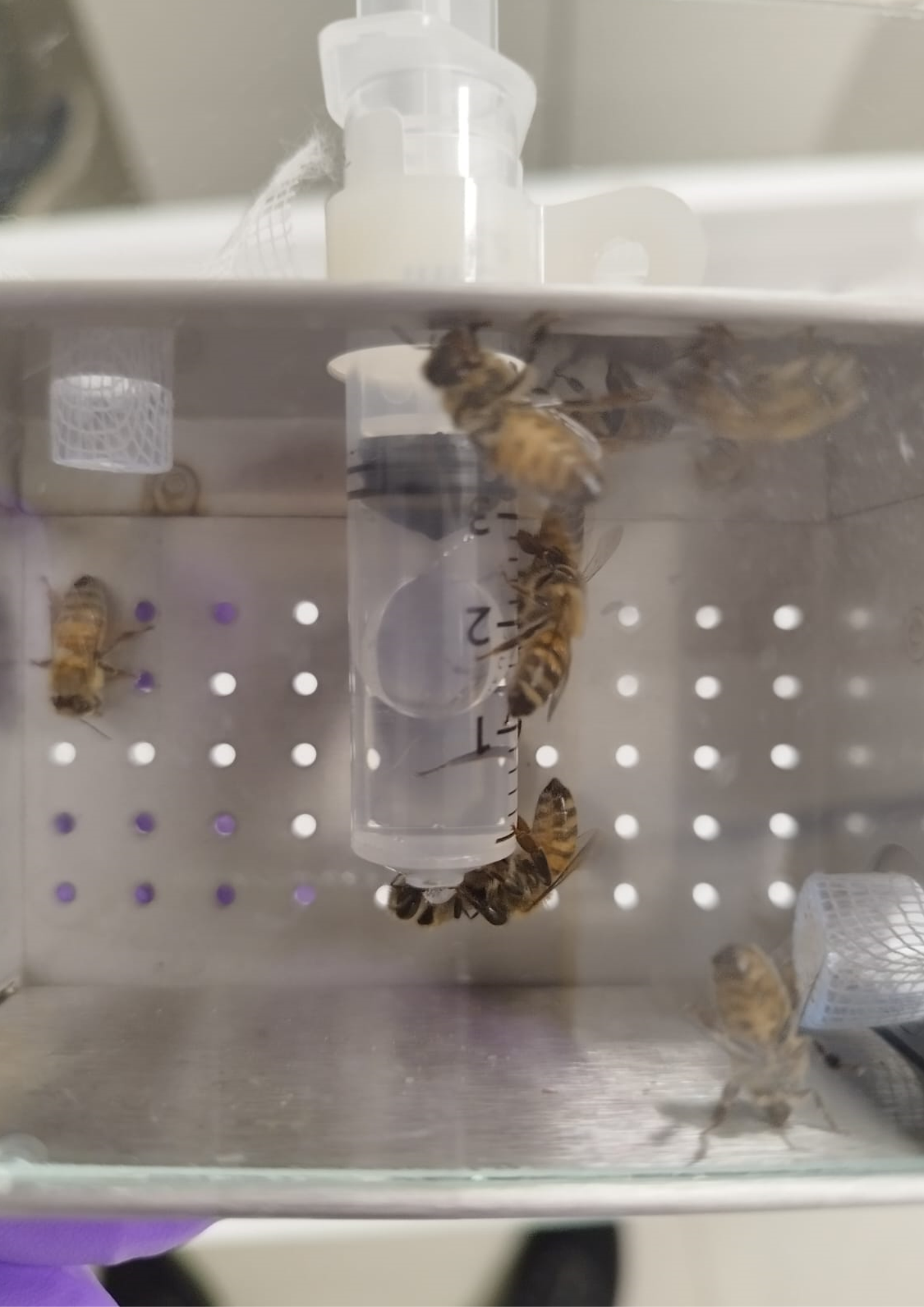
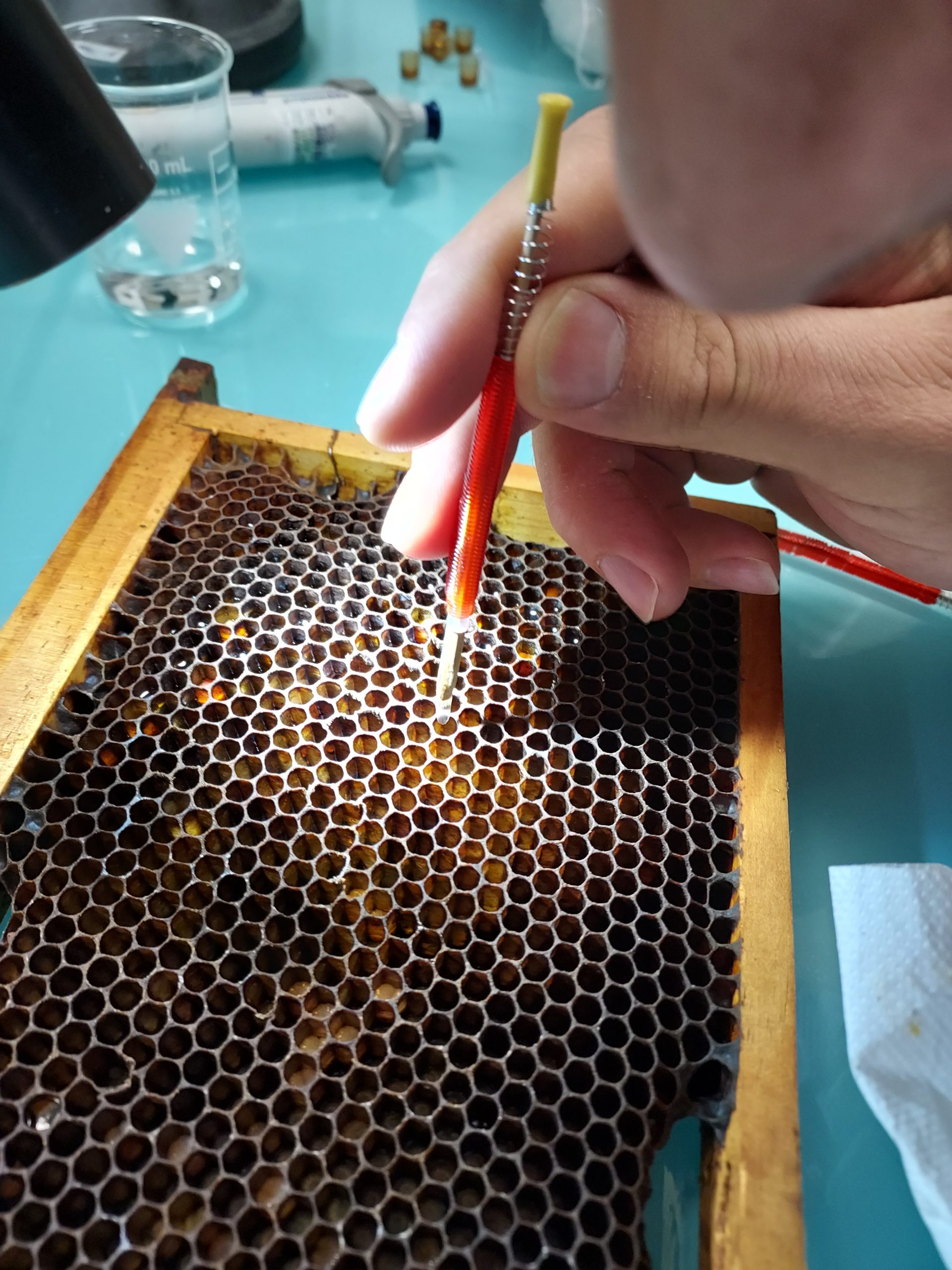
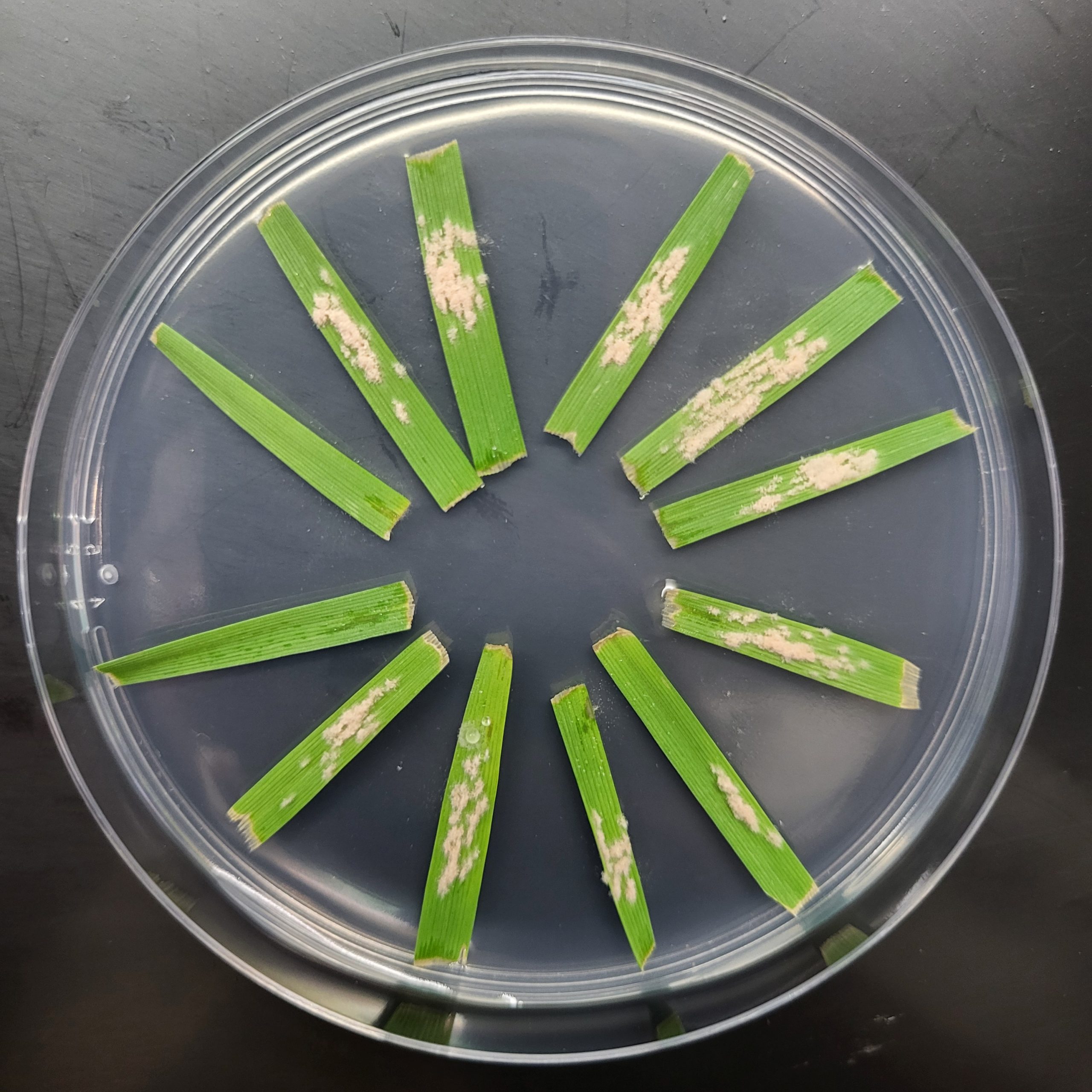
A laboratory test for evaluating the effect of PPPs on the predatory bug, Orius laevigatus.
At Staphyt, we are expanding our expertise in ecotoxicology testing by adding tests on the species Orius laevigatus to our portfolio, in addition to the two species already available: Typhlodromus and Aphidius. This brings the total to three different species on which this test can be performed, as required by standard 885.4340.
Why these tests?
The objective of the test is to identify the potential adverse effects of a plant protection product on non-target insects living on leaves. Orius laevigatus was selected as an indicator species representative of these non-target insects living on leaves, in accordance with international recommendations. As part of this test, it must be determined whether the mortality rate of Orius laevigatus nymphs exposed to dried deposits of a test substance is significantly higher than that of the water-treated controls. It should also be examined whether the number of fertile eggs laid by Orius laevigatus that were exposed during the juvenile stage is affected.
The methods are only suitable for test items to be applied as a spray.
Treatments are applied to glass plates and a piece of Teflon with slanting edges. When dry, ten Orius are placed in each cell for an exposure period of at least 9 days or until 80% are adults. There are to be a minimum of eight replicate cells (i.e. 80 bugs in total) in each treatment initially.
Assessments of treatment effects on juvenile survival are made after 9 days or when at least 80% of the individuals in the control are adults. To assess any effects on the relative fecundity of the surviving insects, a minimum of 15 females per treatment was selected for determination of oviposition. These females were individually confined to the oviposition substrate. Their egg production was assessed for two consecutive 2-day intervals. The parameter for analysis is the total number of eggs produced per female over the 4 day-period.
The implementation of toxicity tests on Orius laevigatus was evaluated at the Staphyt laboratory in Valence, France. The first step involved conducting these tests using only control groups to familiarize ourselves with and gain experience working with this new species. The validity criteria were also evaluated. This step was successfully validated. The second phase will involve conducting tests with the reference substance, dimethoate, by the end of the year.
📩 To learn more or discuss a project, contact: contact@staphyt.com