The OECD has just released its latest test guideline updates as of July 2, 2026.
While some documents received minor administrative corrections, several bring significant advancements to the toxicological assessment of products, strongly supporting the global phase-out of animal testing. For skin sensitisation, OECD TG 497 has been updated to introduce a quantitative Point of Departure (PoD) based on in chemico (KE1), in vitro (KE2/KE3), and/or existing in vivo (KE4/AO) data. This new approach (the SARA-ICE Defined Approach) allows for a robust quantitative risk assessment of skin sensitization potential. In addition OECD TG 442D has been updated to include two newly validated in vitro methods: Epi2SensA (which allows analysis at a modified cell viability threshold of ≥ 60%) and α-Sens® (a new ARE-Nrf2 luciferase test method notable for utilizing a Fetal Bovine Serum (FBS)-free protocol).
Completely new in vitro tests have been introduced to the OECD catalog, including:
- OECD TG 446A (Genotoxicity): The ToxTracker gene reporter assay for identifying genotoxic hazards and distinguishing between genotoxic and non-genotoxic mechanisms of action.
- OECD TG 445A (Metabolism): Determination of Cytochrome P450 (CYP) induction using differentiated human hepatic cells will permits to standardised metabolism studies and cytochrome P450
- OECD TG 454A (Endocrine Disruption): The Human Glucocorticoid Receptor Transactivation Assay to assess endocrine-disrupting properties add a Level 2 of the OECD Conceptual Framework.
- The release also included the updated integration of in vitro validated methods, such as OECD TG 498 for assessing phototoxicity using reconstructed human epidermis, and OECD TG 496 utilizing the OptiSafe™ macromolecular test method.
These updates are particularly important for REACH registrations for which both toxicity and ecotoxicity studies are required. This is especially relevant in view of potential future updates to the REACh Annexes through comitology in the next few years, aimed at adapting information requirements to new hazard classes such as ED, PMT, and vPvM. Moreover, OECD TGs like TG 322 and TG 127 involving nanomaterials (whose REACH registration has been mandatory since 2020) so far had no specific test guidelines validated for their hazard evaluation, even for low-tier requirements such as phys-chem data, which are particularly necessary for the basic chemical database. ToxTracker is also a key regulatory/screening test, allowing companies to screen out a large number of genotoxicity endpoints required at different Annex levels, and potentially overcoming false positive results frequently encountered, especially with OECD 471.
What the latest updates mean for your upcoming ecotoxicological data packages.
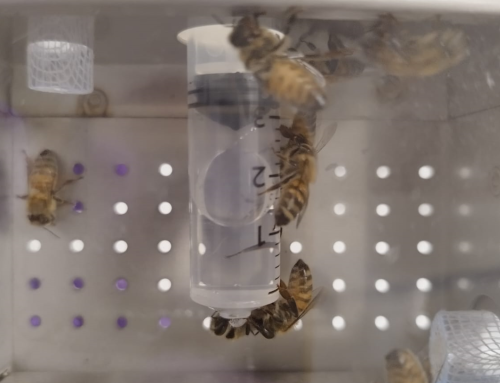
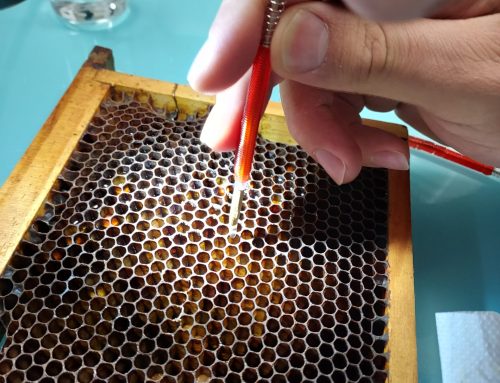
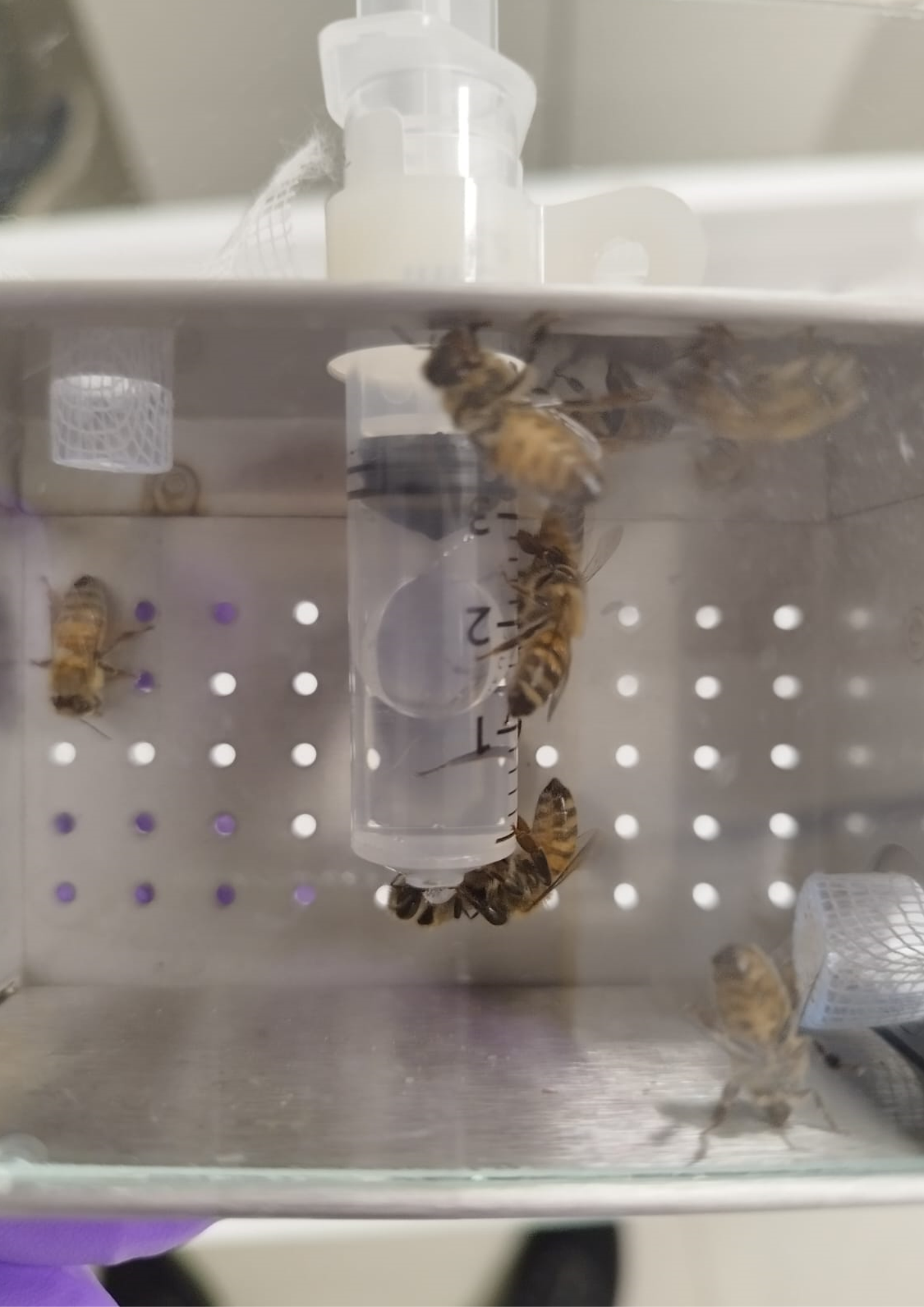
Bumble bees (OECD 255): A new 10-day chronic OECD test guideline is published (2 July 2026). According to EU legislation, studies with honeybees and non-Apis species are required. This new test increases the information that could be generated for bumble bees. It is likely Member States will adjust their national requirements accordingly.
Earthworm field studies (OECD 256): to conduct earthworms field studies up till now, the available ISO 11268-3 (2014) and the De Jong et al. (2006) guidance documents were used. OECD 256 has been released (2 July 2026) to assess the effects of chemical on earthworms populations under field conditions. This new test guideline includes different test designs:
- Dose-response design (i.e., EC/ERx-design)
- Mixed-design (EC/ERx + NOEC/R)
- NOEC/R design
For these designs, 3 to 6 test item application rates and 2-6 replicates would be needed, and a detailed statistical stepwise approach for the evaluation of test results is considered. The test guideline requires the need to conduct soil residue analytical determinations.
The test designs proposed in the new test guideline are expected to increase significantly the cost of earthworm field studies.
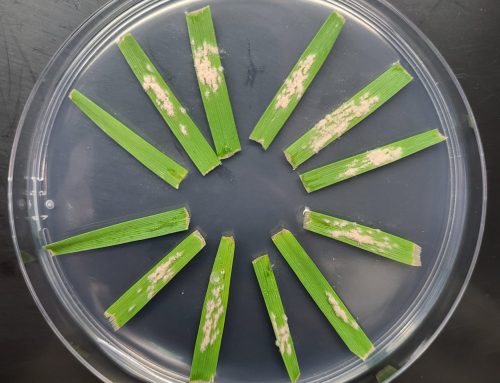
Algae testing (OECD 201): The updated test guideline introduces a new diatom test species (Mayamaea permitis) and provides clarification on the calculation of coefficient of variation (CV) of the daily/section-by-section specific growth rates.
The Environment team at Staphyt Regulatory is available to support you on the possible need and the consequences of the implementation of the abovementioned protocols for your dossiers; together with Staphyt’s Valence Laboratory, which is available to support your testing needs.
Contact us for any help navigating the OECD developments: contact@staphyt.com