DON’T LET YOUR PRODUCT’S MARKET ACCESS STALL AT THE FINISH LINE. 🐝⏱️
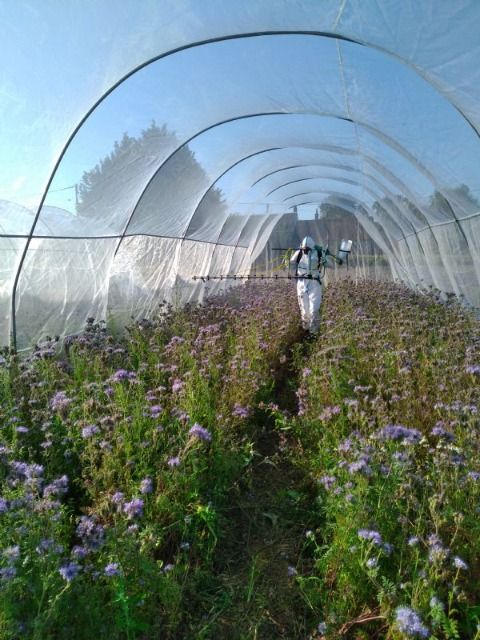
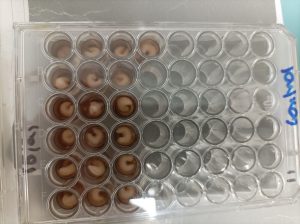
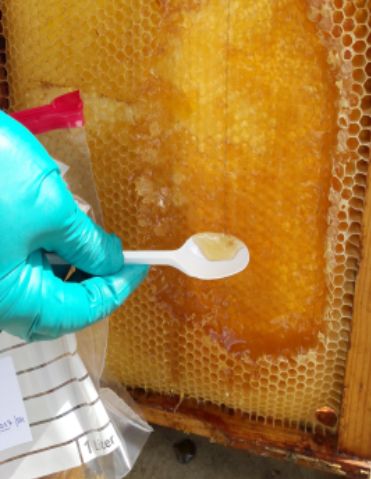
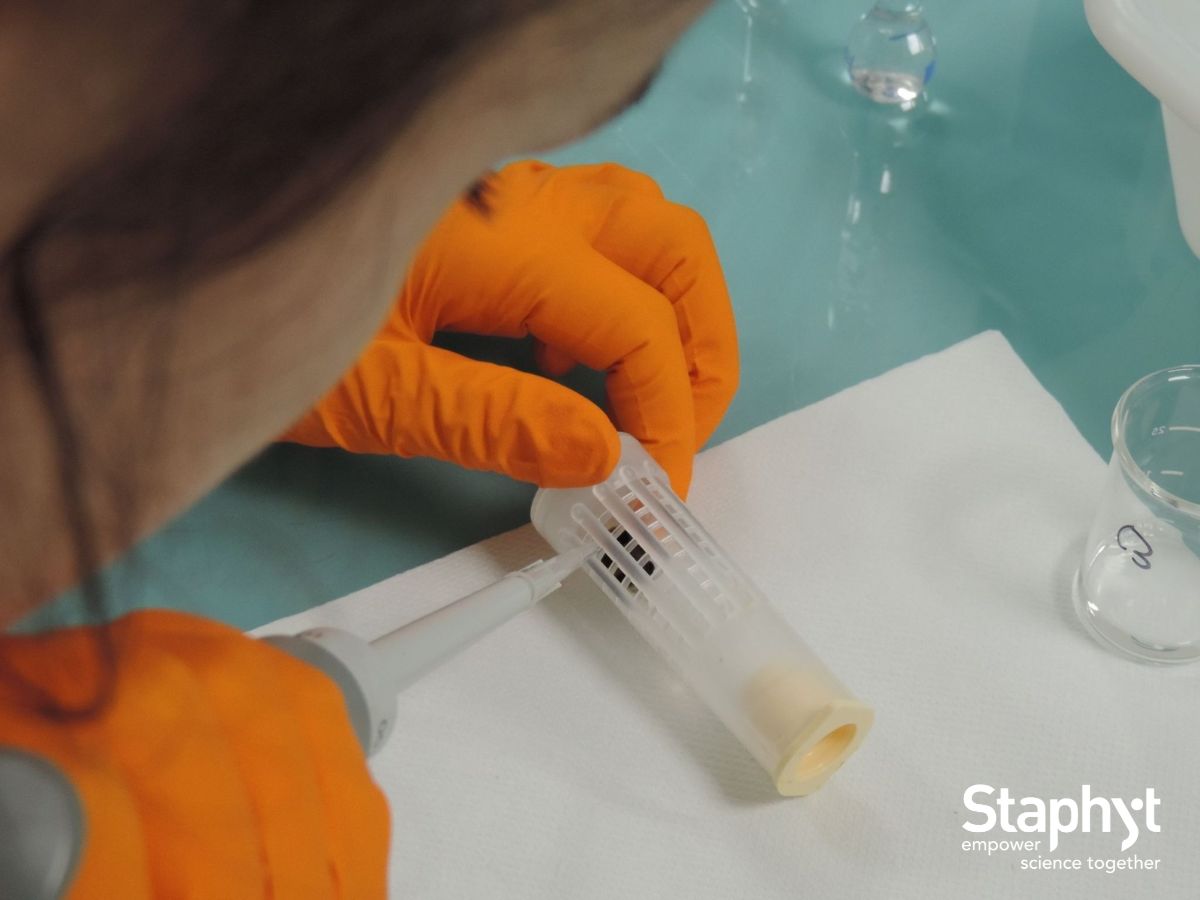
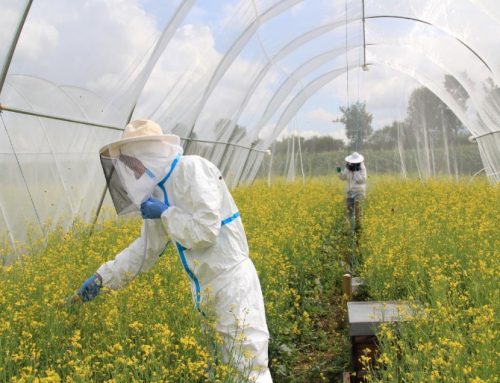
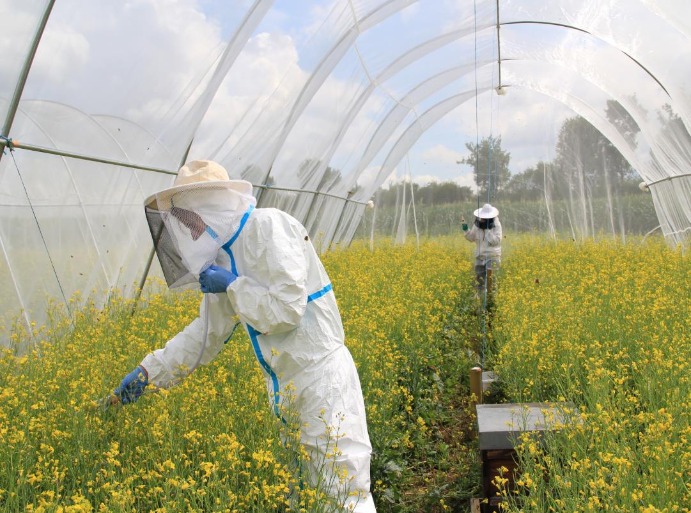
Over the past 8 weeks, the Staphyt BeeTeam has decoded the modern Pollinator Environmental Risk Assessment (ERA) framework for you. We have covered the critical pathways required to secure your product authorizations, from acute and chronic laboratory testing on honey bees, bumble bees, and solitary bees, to complex semi-field CEB 230 and OECD 75 tunnel studies, right through to residue evaluations in hive matrices.
Now, the window for planning is rapidly closing.
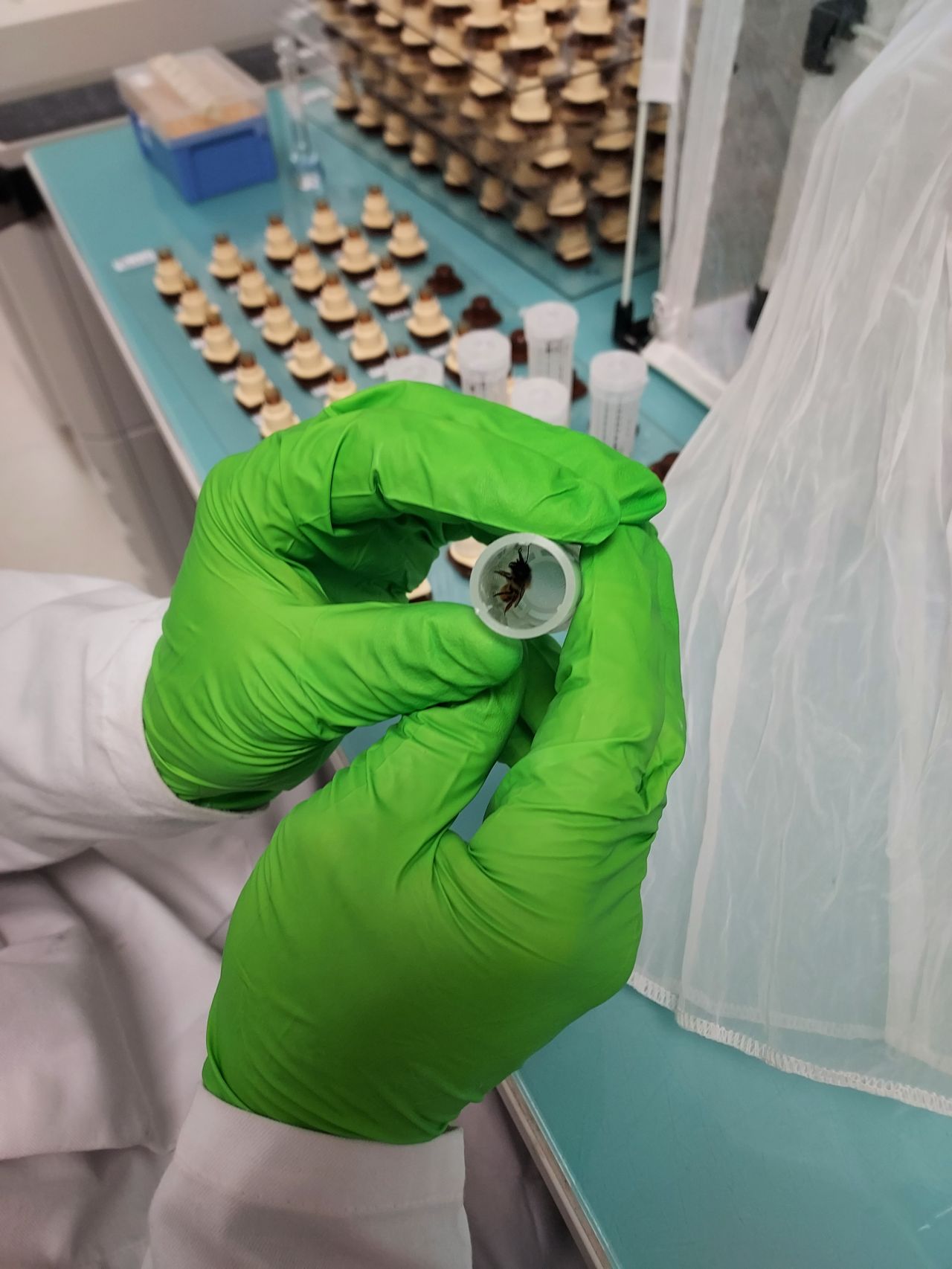
The 2027 biological study season begins in March. Because biological test windows are dictated by nature, our capacity for these highly specialized GLP studies is strictly finite.
⚠️ We have only a few slots available for the upcoming study season, and they are filling up fast.
A fragmented testing strategy or a delayed booking ultimately means delayed authorizations and lost market share. You need a cohesive compliance engine to ensure your active substances are positioned for rapid regulatory clearance.
Do not leave your 2027 trial program to chance. Contact our team today to lock in your study slots before the season is fully committed: contact@staphyt.com
You can find all our posts on this topic on our LinkedIn page:
- CEB 230: Honey Bee (Apis Mellifera L.) Testing Under Semi-Field Conditions
- OECD 75: Honey Bee (Apis Mellifera L.) Brood Test Under Semi-Field Conditions
- OECD 254 on Mason Bees (Osmia spp.), Acute Contact Toxicity Test
- OECD 237/239 Honey Bee (Apis Mellifera) Larval Toxicity Test, Single and Repeated Exposure
- OECD 245 Honey Bee (Apis Mellifera) Chronic oral toxicity test (10-day feeding)
- OECDs 213/214 Honey Bee (Apis Mellifera), Acute Toxicity Tests and OECDs 246/247 Bumblebee (Bombus terrestris), Acute Toxicity Tests
- OECD 255 Bumblebee (Bombus spp.), Chronic Oral Toxicity Test (10-day Feeding)
- SANTE/11956/2016 Residue Studies in Honey and Other Bee Products