Dive into our team’s expertise on the Plant Protection and Plant Nutrition markets.
Once a month, our experts will gather all the news and updates in PPP and PNP markets. They will select major news to help you navigate in the regulations framework.
For a more comprehensive review, we offer a Regulatory Watch subscription. Don’t hesitate to contact us.
Stay up to date by subscribing!
Plant Protection
1. DG SANTE Follow-up workshop on co-formulants in Plant Protection Products: A summary of the June 5, 2026 session
On 5 June 2026, DG SANTE convened a workshop on co-formulants in PPP in order to advance on ongoing efforts to harmonise and enhance the transparency of co-formulants assessments in PPP across Europe.
The report of this workshop published on EC website presents all breakout discussions; some of the key findings are listed below:
- lack of collaboration between MSs and between PPP and REACH authorities
- lack of formal procedures to collect data on co-formulants,
- lack of access for applicants to suppliers’/manufacturers’ data and REACH data,
- need for additional resources and time to evaluate co-formulants, along with a need for training on existing REACH and co-formulant databases;
- need to focus on co-formulants of concern or to issue a positive list of co-formulants.
2. New OECD Guidance in the Series on Pesticides providing recommendations for Minimum Manufacturing Requirements for Pesticides
A new OECD Guidance Series on Pesticides No. 115is available on the OECD website. This guidance document sets out the minimum manufacturing requirements for agricultural pesticides (products) that should be met by manufacturers of pesticide end use formulations. The scope of the document covers synthetic chemistry and excludes products such as biologicals, biocides, public health pest control products and vertebrate toxic agents. It aims to advise and assist manufacturers in complying with international manufacturing standards and best practices, thereby managing the risks associated with product manufacturing to ensure high-quality products for their intended use.
3. Updates of national requirements for non target organisms in France and UK
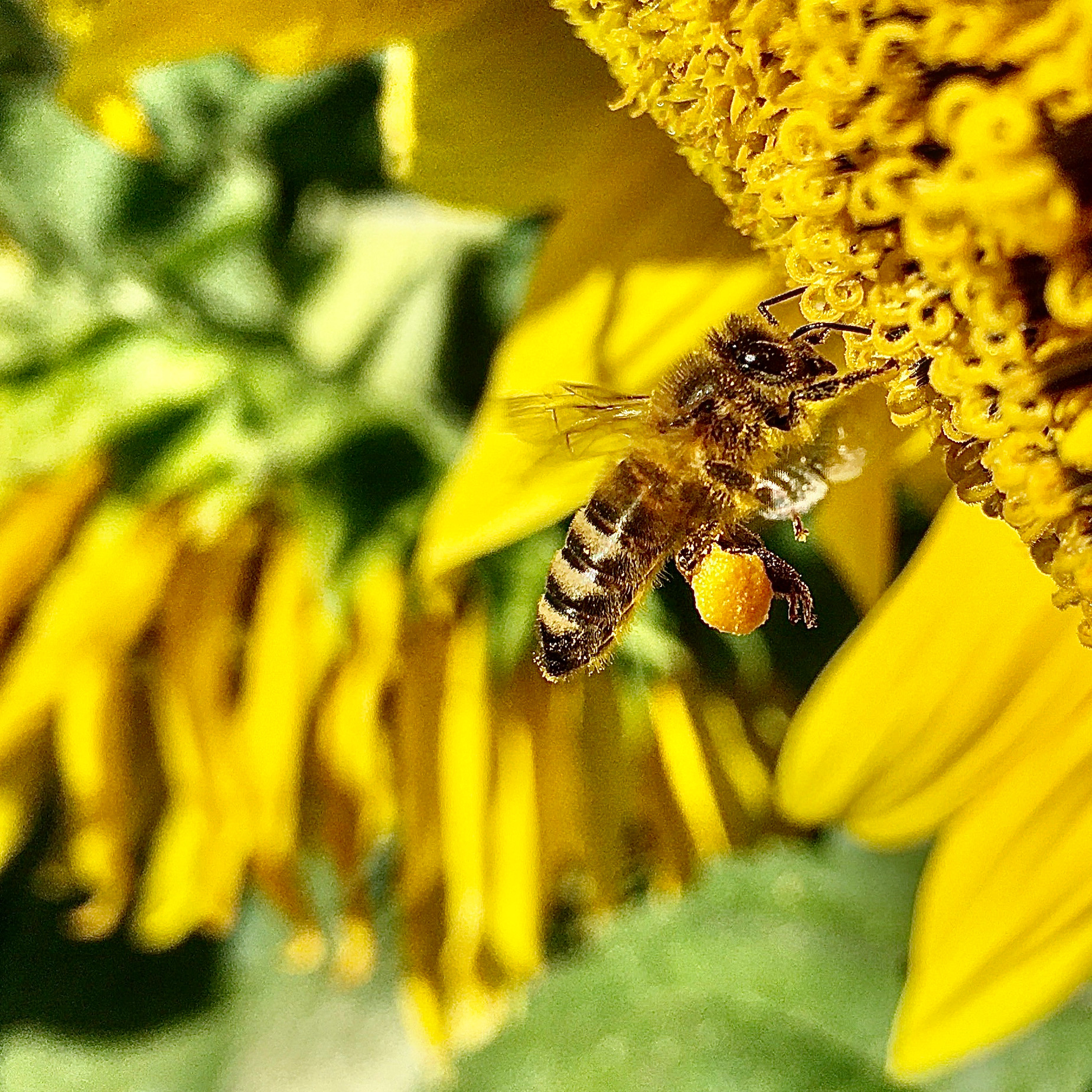
France published on 01/07/2026 an updated version of French new legal requirements for the protection of bees and other pollinators. The main updates are as follows:
- Clarification of requirements for submitting additional pollinator risk data depending on France’s regulatory role and administrative conditions for presenting supplementary technical data regarding crop protection during flowering periods;
- Removal of the exemption: The “not concerned” exemption previously granted to pheromone-only substances does not apply anymore to products containing pheromones when applied via foliar spray;
- Restrictions on new authorizations: New generic or re-branded authorizations are prohibited from application during flowering on attractive crops or foraging areas if the reference product lacks required pollinator risk characterisations;
- Conditions for non-insecticide/acaricide products: Non-insecticide/acaricide products can only be applied during flowering if the required pollinator risk assessment files were formally submitted to ANSES prior to January 1, 2026.
Meanwhile, in the UK, HSE is updating the risk mitigation options for terrestrial non-target plants (NTP) and non-target arthropods (NTA) to include either a 5m or 10m buffer zone with or without drift reduction technology (DRT). New applications received by HSE from 1 September 2026 can present risk assessments for terrestrial NTP and NTA using risk mitigation of a 5m or 10m buffer zone with or without DRT.
Plant Nutrition
1. The “Chemicals Omnibus VI” is coming
On June 26th, 2026, the Council of the European Union confirmed the political agreement on the “Chemicals Omnibus VI” regulation. On July 14th, the European Parliament’s Environment, Climate and Food Safety (ENVI) and Internal Market and Consumer Protection (IMCO) committees voted to approve the provisional political agreement on the Chemicals Omnibus VI. This text introduces significant simplifications to Regulation (EU) 2019/1009 (FPR), addressing long-standing industry requests to streamline processes and harmonise requirements such as:
- New Access Pathway for Micro-organisms
- REACH Simplification for CMC 1
- Digitalisation of Compliance
- Streamlined Procedures:
The publication of the final text is expected between October and the end of 2026. The entry into force would be effective 20 days after publication in the Official Journal of the EU excepting for Digitalisation: Provisions related to the electronic Declaration of which will become applicable 30 months after the regulation enters into force.
2. PFAS and Fertilisers: Heading towards 2029
The interministerial report (CGAAER n° 25101 / IGEDD n° 016408-01) on the management of PFAS contamination in fertilising materials in France has been published. As the industry faces increasing scrutiny over “eternal pollutants,” this report offers a clearer roadmap for the regulatory trajectory in France regarding sewage sludge, digestates, and other waste-based fertilising materials:
- 2026-2028 (Transition): Launch of testing campaigns and implementation of batch certification.
- 2029-2035 (Implementation): Application of regulatory thresholds based on data collected during the transition phase.
For the industry, the challenge is to prepare for compulsory PFAS testing. Establishing a robust internal database of PFAS concentrations in raw materials and finished products would be necessary for the future.
In need for personalized regulatory advice to meet your specific needs? Whether you need assistance about compliance, product registration or any other regulatory issue, our experts are here to provide support: Geoffroy Moulin | Evelyne Güsken | Asha Hoque | Romain Galy | Jeanne Millan Bernal | Caroline Pigeat
Contributors: Pierre LAURENT | Manisha Armoogum | Matthew Burns | Elodie Belmas | Dorothee Michelet | Ismael Sánchez | Pérez Liis Teubner
Contact us or visit our website for more information: contact@staphyt.com
staphyt.com