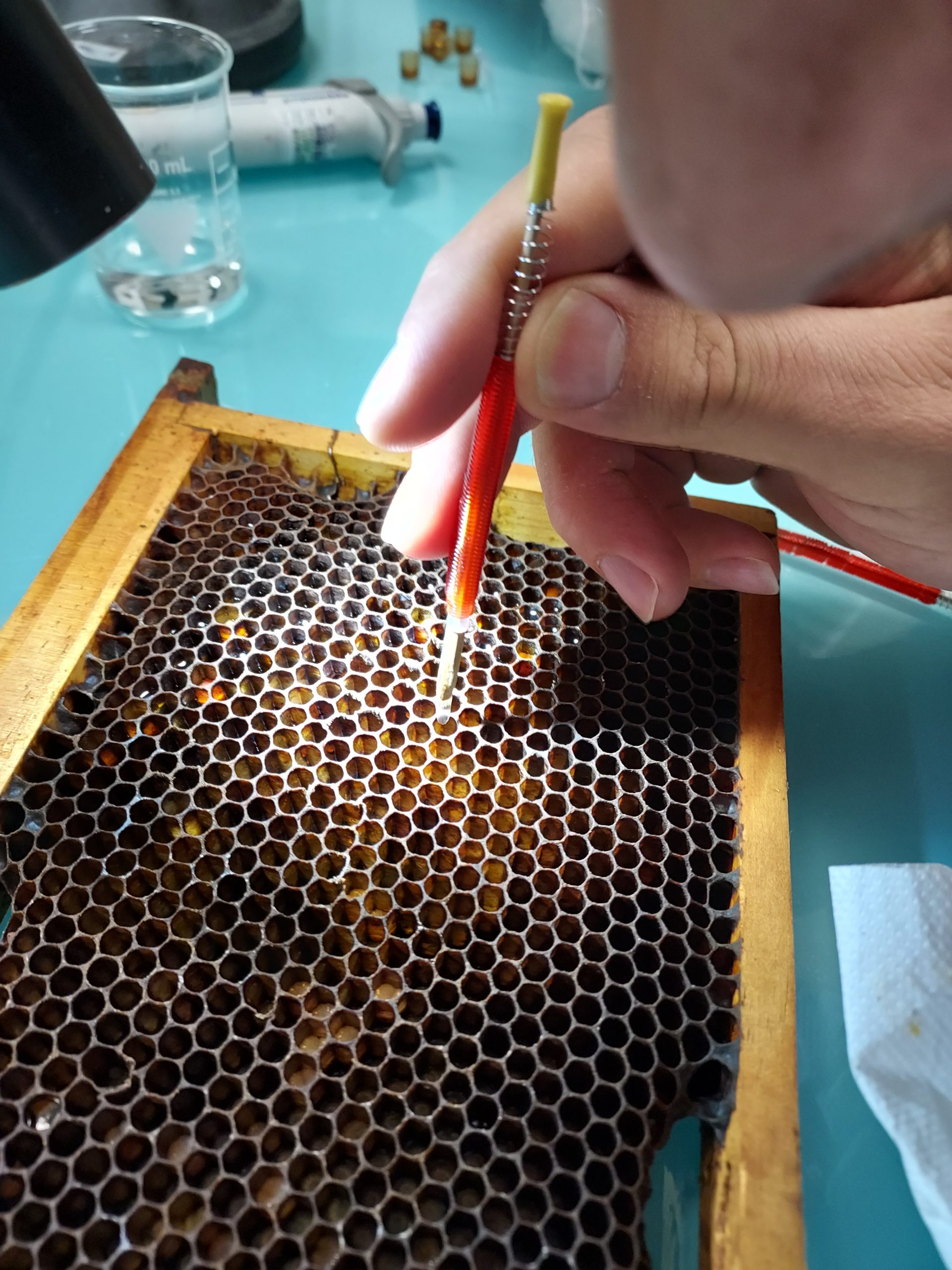
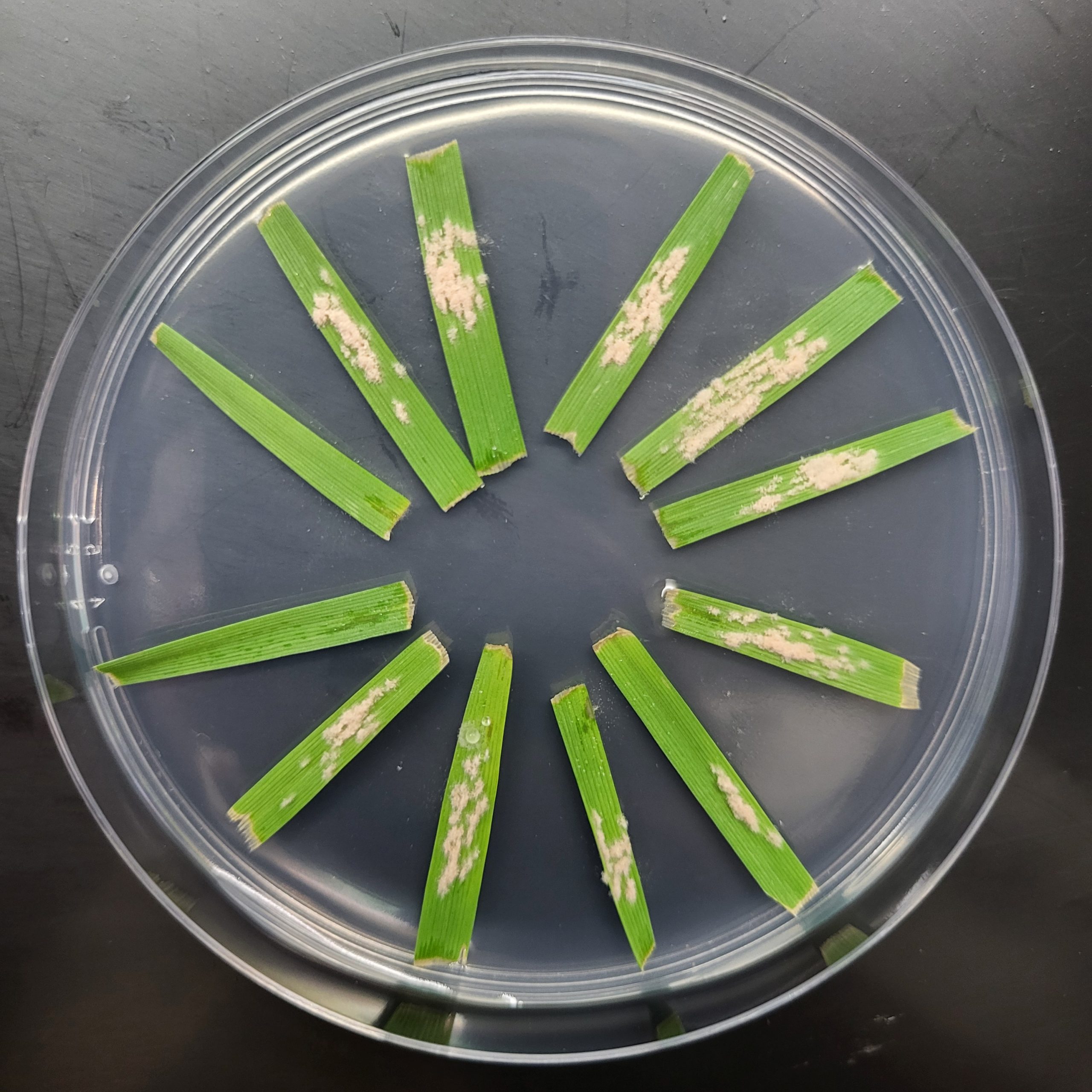
Is a residue detected in the field the same as the one found on your plate?
In the fruit and vegetable sectors, residue studies and non-intentional effects are no longer limited to raw agricultural commodities. Processing methods play a major role in how residues evolve, whether through concentration, degradation, or transfer.
At Staphyt, we support our partners in analyzing these critical transformations. We monitor your product throughout every stage of its processing to understand how physical or chemical changes modify the safety profile of the final product.
We conduct processing studies across a wide range of commodities:
🔹 Vegetable processing: Juices, canned products, purées, dried products, oils, flours, sugar, and sauerkraut.
🔹 Potatoe processing: Crisps, French fries, flakes, purees, and various cooking methods (microwave, steaming, oven).
🔹 Fruit processing: Jams, jellies, dried products, syrups, essential oils, and fermented products like wine and cider.
Why is this step crucial for your registrations?
✅ Processing Factors: Determine if industrial processes (heating, pressing, drying) eliminate or concentrate molecules.
✅ Consumer Safety: Ensure the processed product complies with specific MRLs (Maximum Residue Levels).
✅ Preservation of Technological Quality: Verify that substances do not inhibit industrial processes, such as yeast and bacteria fermentation.
✅ Organoleptic Integrity: Ensure treatments do not alter taste, odor, or texture in fresh or processed forms.
✅ Regulatory Compliance: Anticipate health authority requirements with robust, reliable data.
Our mission is to transform regulatory complexity into transparent expertise to secure your market access.
➡️ Do you have residue studies or non-intentional effects assessments to conduct? Let’s discuss your projects and regulatory challenges! Contact our team today.